
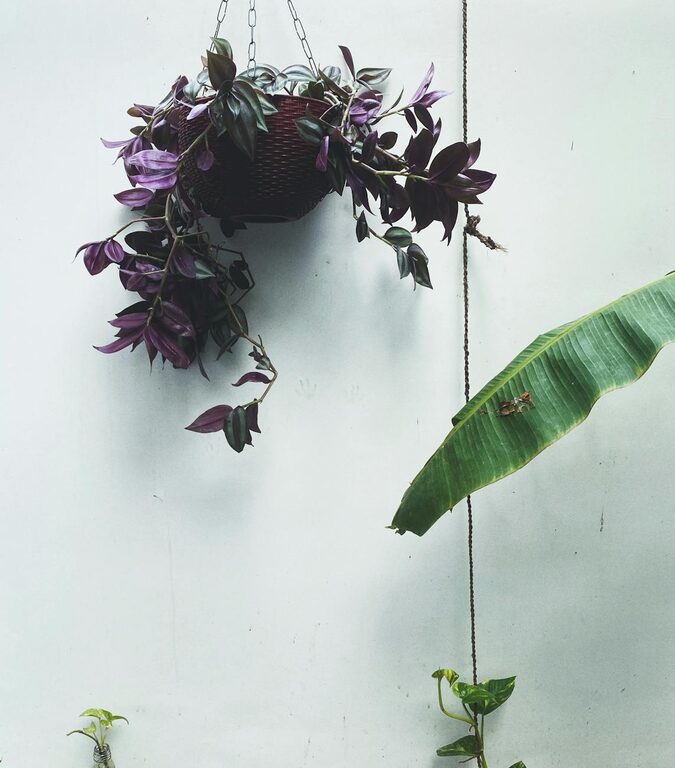
Bringing houseplants into your home is a wonderful way to add greenery, improve air quality, and create a calming atmosphere. However, keeping these indoor companions healthy requires some attention and care. Whether you’re a plant novice or have a growing collection, understanding the essentials of houseplant care can help your plants thrive.
In this post, we’ll explore practical tips to keep your houseplants healthy and vibrant all year round.
Understanding Your Houseplants’ Needs
Every plant species has specific requirements, but most houseplants share some common care fundamentals. It’s important to learn about the particular needs of the plants you own.
Light Requirements
Light is critical for photosynthesis, the process plants use to convert sunlight into energy.
– Identify the light preference: Some plants, like succulents and cacti, thrive in bright, direct sunlight. Others, such as pothos or snake plants, do well in low to medium light conditions.
– Adjust placement accordingly: Place plants near windows or under grow lights as needed to meet their light preferences.
– Rotate plants: Rotating your plants weekly ensures all sides get adequate light, promoting even growth.
Watering Wisely
Overwatering is one of the most common causes of houseplant problems.
– Check soil moisture: Before watering, stick your finger about an inch into the soil. Water only when the topsoil feels dry unless the plant requires consistently moist soil.
– Use the right amount: Water thoroughly so excess drains out the bottom, but avoid leaving plants sitting in water.
– Account for seasons: Most plants need less water in winter due to slower growth and lower evaporation.
Humidity and Temperature
Indoor air can often be dry, especially during winter months.
– Maintain suitable humidity: Tropical plants appreciate humidity levels of 50% or higher. Use a humidifier, mist plants occasionally, or place a water tray nearby.
– Keep temperature stable: Most houseplants prefer temperatures between 65°F and 75°F (18°C – 24°C). Avoid placing plants near drafts, heating vents, or air conditioners.
Choosing the Right Soil and Pots
Healthy roots are essential for plant growth, and soil and containers play key roles.
Soil Mix
– Use a well-draining soil mix appropriate for your plant species (e.g., cactus soil for succulents, rich soil for ferns).
– Avoid garden soil, which can be too dense and may contain pests.
Container Selection
– Ensure pots have drainage holes to prevent waterlogging.
– Pots made from porous materials like terracotta can help manage moisture better than plastic.
Routine Maintenance Practices
Regular care helps prevent common issues and keeps plants looking their best.
Pruning and Trimming
– Remove dead or yellowing leaves promptly to encourage new growth and prevent disease spread.
– Pinch back leggy stems to promote fuller, bushier plants.
Fertilizing
– Use a balanced, water-soluble fertilizer during active growing seasons (spring and summer).
– Follow package instructions to avoid over-fertilizing, which can harm plants.
Pest Management
– Inspect plants regularly for signs of pests such as spider mites, aphids, or mealybugs.
– Treat infestations early with natural remedies like insecticidal soap or neem oil, or isolate affected plants.
Repotting Your Houseplants
Repotting is essential for plant health as roots spread and soil nutrients deplete.
– Repot every 1-2 years or when roots outgrow the current container.
– Choose a pot slightly larger than the existing one.
– Gently loosen root balls before planting to encourage growth.
Additional Tips for Success
– Clean leaves: Dust accumulation can block sunlight, so wipe leaves gently with a damp cloth.
– Use plant supports: Provide stakes or trellises for climbing plants to prevent breakage.
– Observe regularly: Keep a close eye on your plants’ condition. Changes in leaf color or growth patterns can indicate care adjustments.
Conclusion
Creating a healthy environment for your houseplants is a rewarding experience that enhances your home’s ambiance. By paying attention to light, water, humidity, soil, and general plant needs, you can enjoy thriving plants that bring nature’s beauty indoors.
With consistent care and observation, your houseplants will flourish and continue to brighten your living space for years to come. Happy gardening!